The problem of evil is the dilemma as to why God, who is omnipotent, omniscient, and wholly good, permits suffering.1 The dilemma arises both where harm is intended and where no one intends it. Pointing to some advantage of suffering is not enough; the advantage must explain the harm. This essay argues that evil remains a serious challenge to belief in such a God because free will does not justify every harmful consequence, moral growth does not establish the necessity of severe suffering, and appeals to hidden divine reasons must preserve our responsibility to oppose harm. These responses can make coexistence conceivable without making every instance of suffering justified.
The standard for judging these responses is fixed by the distinction between possibility and evidential support. Some arguments hold that God cannot exist because God and evil are incompatible; others hold that evil makes God’s existence unlikely.2 A logical objection questions whether God and evil can coexist, while an evidential objection questions whether the suffering we experience is an argument against the proposed God. An explanation could answer the first question without settling the second.3 For instance, showing that some hardship is justified by a valuable good does not show that every hardship is. The defender must therefore determine what the explanation does and does not cover, and accept what it does not explain. That distinction keeps a limited defence from becoming an unlimited justification. The argument here concerns those limits, not whether one case of suffering proves that God does not exist.
Free will explains why the potential for wrongdoing exists, but not every consequence of wrongdoing. On this answer, God might allow moral evil so that humans can have free will.4 The good it secures is a world with real choices rather than one in which behaviour is entirely fixed. However, choosing an action is different from succeeding in harming another person. In an imagined attack, the victim could be kept from injury without cancelling the attacker’s decision. A defender may say that regular intervention would undermine agency, but must still explain why occasional prevention is ruled out. Furthermore, human freedom does not seem to explain natural evil.5 Freedom thus resolves one part of the question and leaves the question of the justification of suffering unanswered.
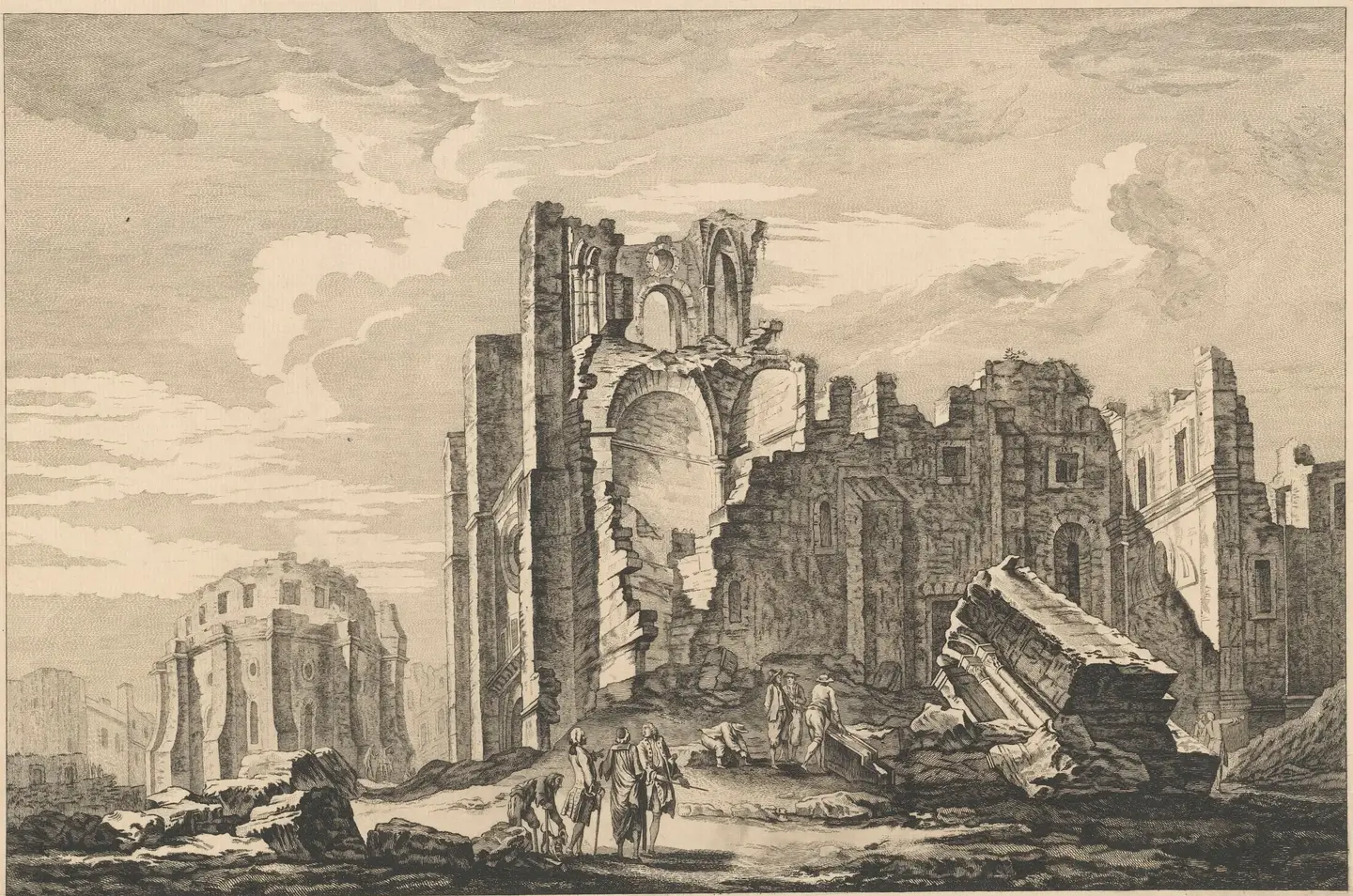
The moral growth answer must also explain the harm it claims to explain, not just find benefits that may follow it. As Molto sets out the soul-making view, the experience of evil can help to instil and nurture virtues such as perseverance and courage.6 The view must also deny that God could simply give people these qualities without making them suffer for them. However, a possibility for development does not mean someone has to suffer a certain amount. A challenge that teaches patience may be a hardship worth tolerating, but it cannot justify suffering from which no one is able to develop, such as William Rowe’s case of a fawn that burns to death in a forest fire with no one to witness it.7 Nor would the compassion that others learn from it automatically justify the victim’s loss. The missing argument concerns necessity and proportion: why could the valuable development not occur through less damaging circumstances? Until this question is answered, there is no full justification; moral growth offers only a possible benefit.
In addition, falling back on unknown divine purposes acknowledges human limits but does not turn ignorance into positive proof of justification. As Lee explains, sceptical theism holds that when we cannot find a sufficient reason for God to allow an evil, we cannot infer that there is none.8 This response rightly separates failing to find a reason from proving that there is none. However, an explanation that may exist is not yet one that has been shown. Lee also discusses a practical threat: if we cannot know what goods a person’s suffering may serve, we seem to lose our reasons for relieving it, a state of ‘moral paralysis’.9 A defender might separate what God knows from what God commands, so that people can help others without claiming to know God’s plans. That distinction would leave action intact, but it would also limit what the appeal to mystery can establish. It might limit confident judgments about God without removing the evidential challenge.
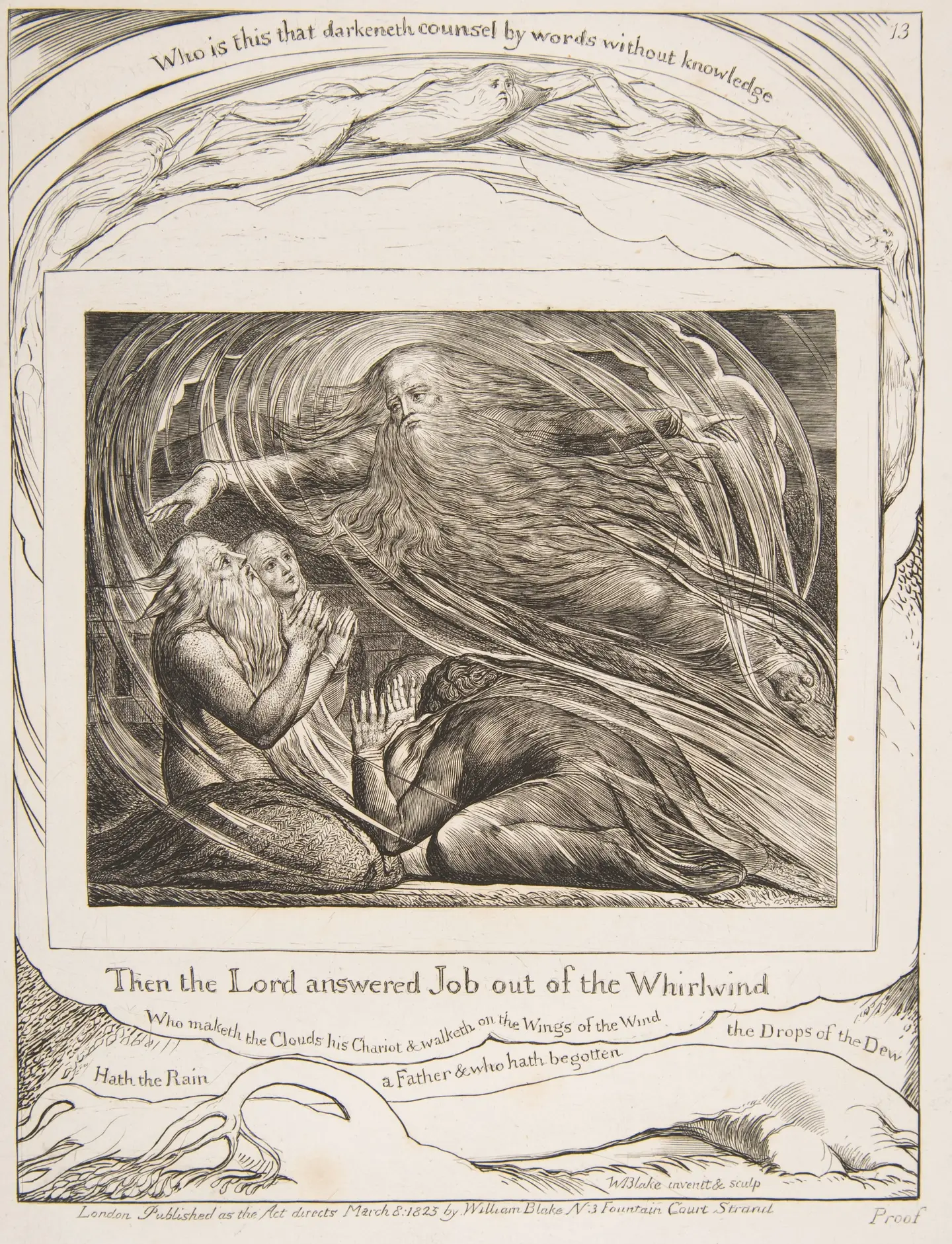
Furthermore, these arguments turn into excuses for ignoring people who suffer unless they also recognize that suffering. Logical consistency and probability are part of the debate, but Watts argues that religious responses to evil also raise moral concerns that go beyond both.10 Applying that concern here, describing pain as educational or providential must not replace attention to the person’s injury. A justification that upholds a belief but treats the loss as trivial fails the moral test that such a justification must meet. The same scrutiny should be applied to critics: to be sure of suffering is not to be sure of all the possible divine purposes. The defensible position combines intellectual restraint with reasons to protect people.
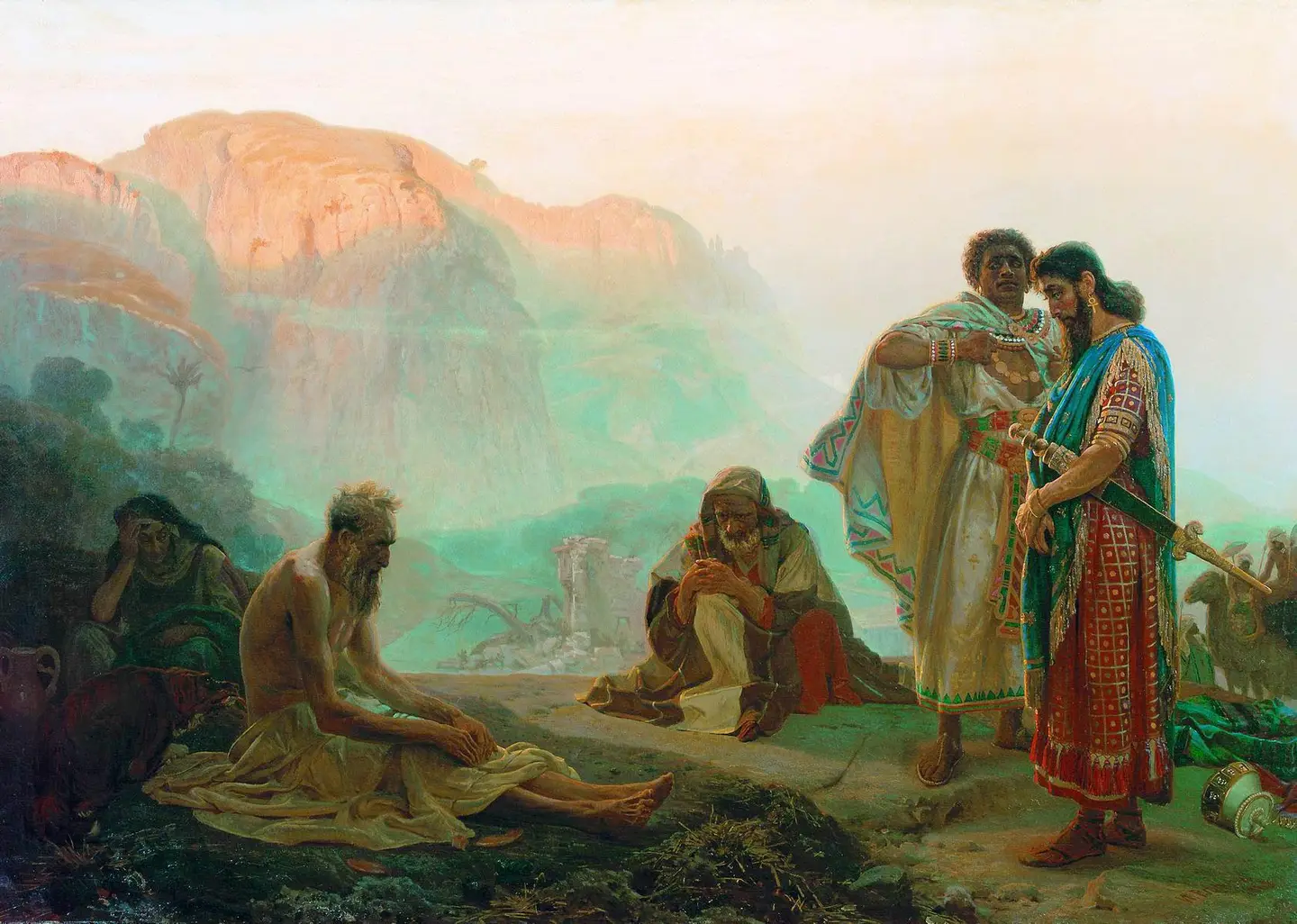
Neither freedom, growth nor mystery, then, is enough to resolve the problem of evil. Each response identifies a possibility, but none automatically establishes why severe suffering should be permitted. A successful defence must address the gap between the good and the harm, show why less harmful alternatives would not do, and defend the duty to alleviate suffering. Belief can remain possible, but that is not enough to answer the question that evil poses.