Introduction
Who won the Vietnam War is a simple question, but one that has been debated for half a century by historians, veterans, and policymakers. The Americans won most of their battles and kept their technological edge. Nevertheless, North Vietnamese tanks rolled into Saigon on April 30, 1975, and by the end of the year the whole country was under communist control. This essay contends that Vietnam won the war. Winning a war depends on whether the political goals have been met, and only Hanoi met them. American tactical victories simply did not translate into strategic victories, and how both societies remembered the war only reinforced that. These claims are explored below, drawing on recent scholarship in military history, memory studies, and strategic analysis.
Defining Victory
The first step is to define victory. The distinction between winning battles and winning wars is central to military history, and it matters here. A war is fought for a purpose, and a side that wins on the field but fails to achieve that purpose has not won. Washington entered Vietnam to preserve a non-communist South Vietnam and to show that communist expansion could be contained. Hanoi fought to unify the country under its control and to end foreign domination. In light of these aims, the results are evident. South Vietnam ceased to exist, and in 1976 Vietnam was unified on the North’s terms.
Strategic Failure of the United States
This reading is supported by recent scholarship. Martin Clemis argues that the United States lost in Vietnam because it put military strength and victory on the battlefield ahead of the other elements of national power: political, economic, diplomatic, and informational.1 In his analysis, the Americans achieved tactical and operational excellence but could not turn it into strategic success, because they kept military and political efforts apart.2 Hanoi, by contrast, understood that it could not defeat the American military outright and did not need to: it had only to endure, impose steady costs, and outlast American willingness to continue. Clemis thus sees Hanoi’s victory as the result of a strategy matched to its political aims: the war was not America’s to win or lose alone, for “the enemy also had a vote.”3
The Collapse of South Vietnam
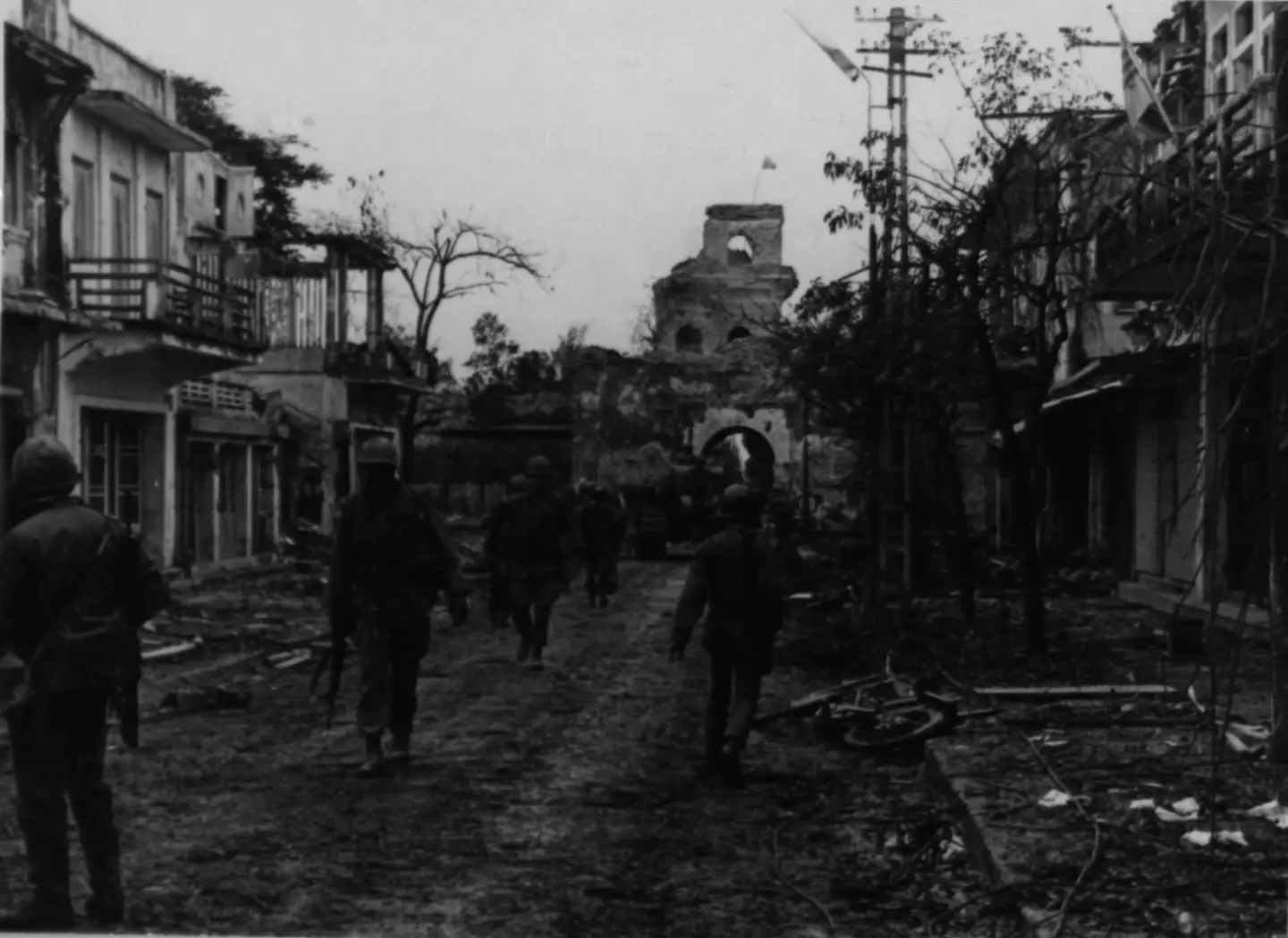
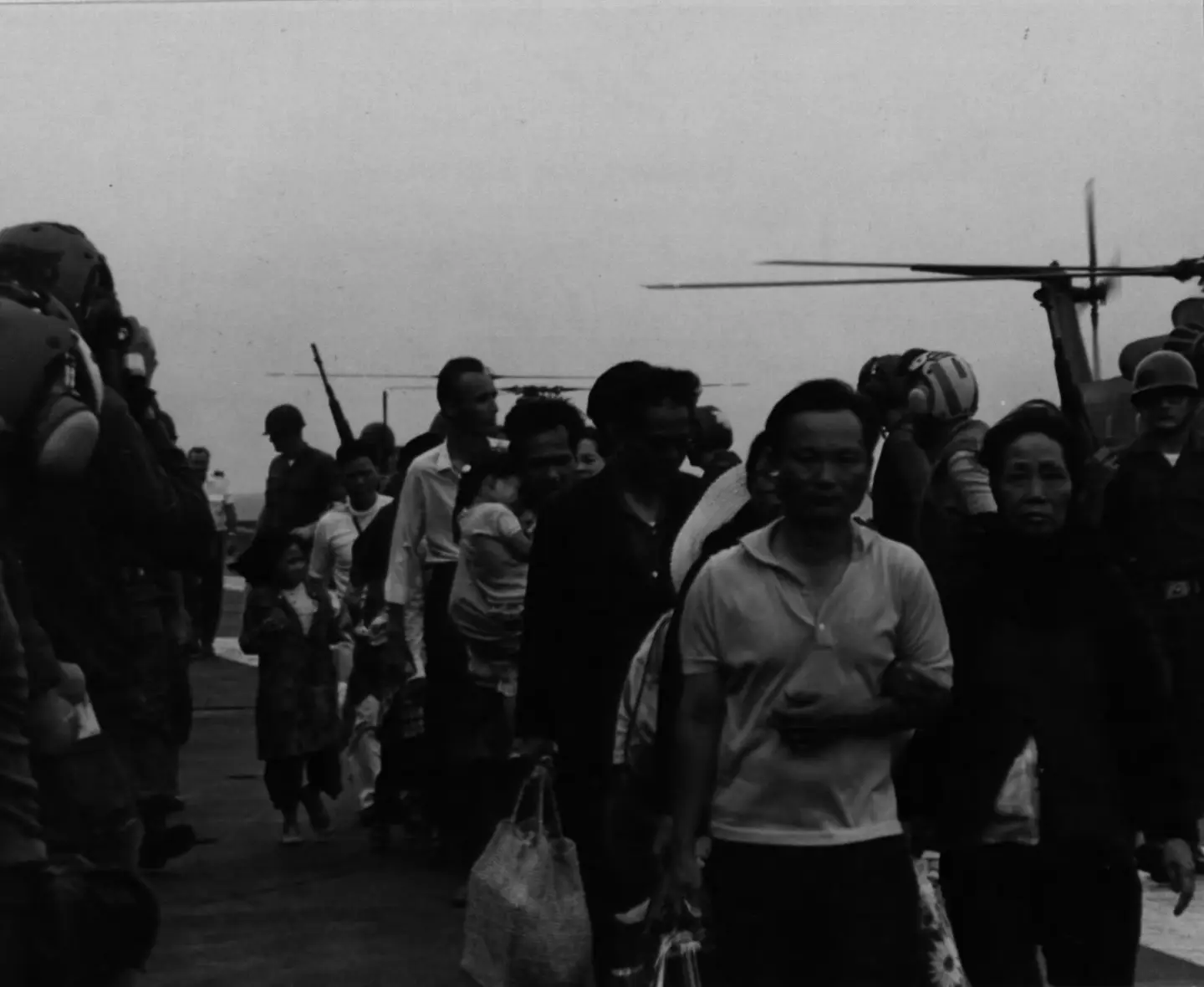
The failure of the American-backed South Vietnamese state shows the same gap. From 1969, first the Nixon and then the Ford administration tried to hand the fighting over to the South Vietnamese army as American forces withdrew. Jason Cooley finds earlier explanations of this transfer of security incomplete: in his account, a shortage of qualified South Vietnamese commanders and poor training mattered less than hasty troop withdrawals made to appease the antiwar movement, the early end of American air support, and Congress’s refusal to send more weapons and equipment.4 Whatever the exact mix of causes, Saigon could not stand alone once the Americans had left. A war cannot be called won by a power whose chosen ally fell just over two years after the last American combat troops left in March 1973.
Counterarguments
Those who disagree make serious points. They point out that the U.S. usually won pitched battles, the Tet Offensive in 1968 crippled the Viet Cong, and the Paris Peace Accords of 1973 left South Vietnam intact for a time. Some say American politicians and the press essentially lost a winnable war by not supporting it. These arguments deserve consideration, but they do not prove what they claim. Even if more patience could have brought Washington a win, the war it actually fought was still lost. Clemis also rejects the idea that American leaders did not know what they wanted: they knew their goals.5 In his account, the failure lay in the way the war was fought. A theory about what might have happened does not change what did happen.
Lessons for Future Wars
The lessons of this outcome reach far beyond Vietnam. Clemis expects that future wars will “likely require the United States to blend conventional and unconventional methods” and to combine its strength in conventional warfare with every other element of national power.6 Overwhelming capability guarantees nothing unless it serves a political goal it can actually achieve. This lesson applies to every future American war.
The Human Cost and Divided Memory
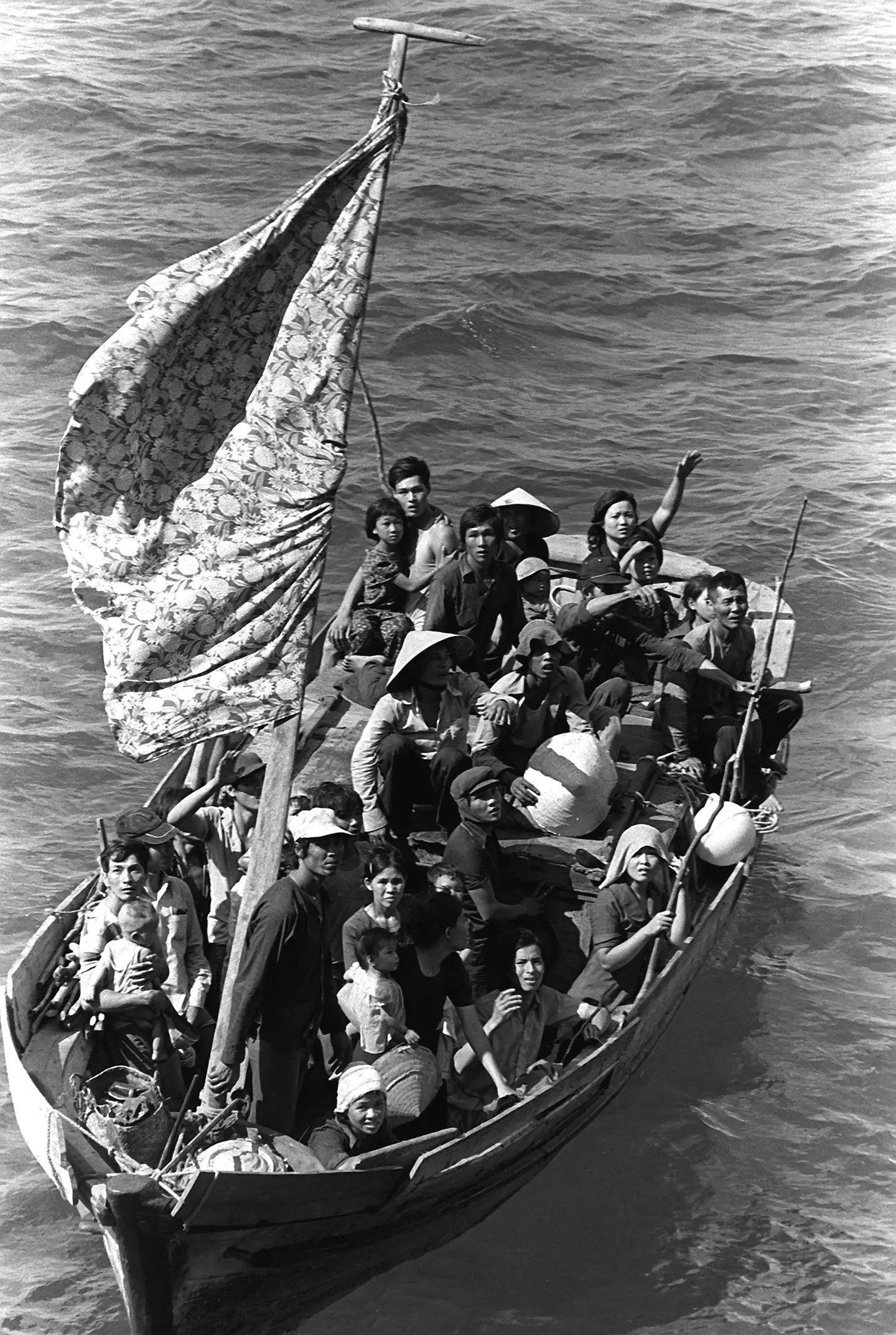
However, it would be wrong to ignore what victory cost Vietnam. Many Vietnamese were killed, landscapes were bombed and poisoned, and the postwar years brought economic hardship and political repression. Not all Vietnamese share the same memory of the war’s end. Ly Thuy Nguyen shows how official memory in postwar Vietnam assigns remembering to the homeland and forgetting to the diaspora, and she argues for a “relational memory” that reaches across national lines.7 For many South Vietnamese refugees, 1975 meant the loss of a country rather than liberation. The victory, then, belonged to the Vietnamese state rather than to all Vietnamese, and it was won at a high cost in human lives.
American Memory of Defeat
American memory points the same way. If the war were remembered as a success, there would be no need to rework its meaning. Yet Marzena Sokołowska-Paryż shows how the American celebration of Second World War veterans helped to override the cultural legacy of the Vietnam War and to legitimize contemporary US military interventions.8 The very effort to overcome that legacy shows that Americans still regard Vietnam as a wound rather than a triumph. A victorious nation rarely needs a memorial strategy designed to move beyond its success.
Conclusion
Ultimately, the Vietnam War can be seen as a contest between two kinds of power. The United States’ superior firepower, wealth, and technology served an objective that could never be achieved at an acceptable cost. Vietnam had far less material power but a clear political objective, which it pursued with great determination and achieved. Counting battles settles nothing, because wars end when their political questions are settled, and in Vietnam they were settled in Hanoi’s favor. The price Vietnam paid was enormous, and memories of the outcome remain divided, but there can be no doubt about how the war ended. Vietnam won the war, while the United States won many engagements and lost the conflict that mattered.